Awasi, Kisumu County — July 2026
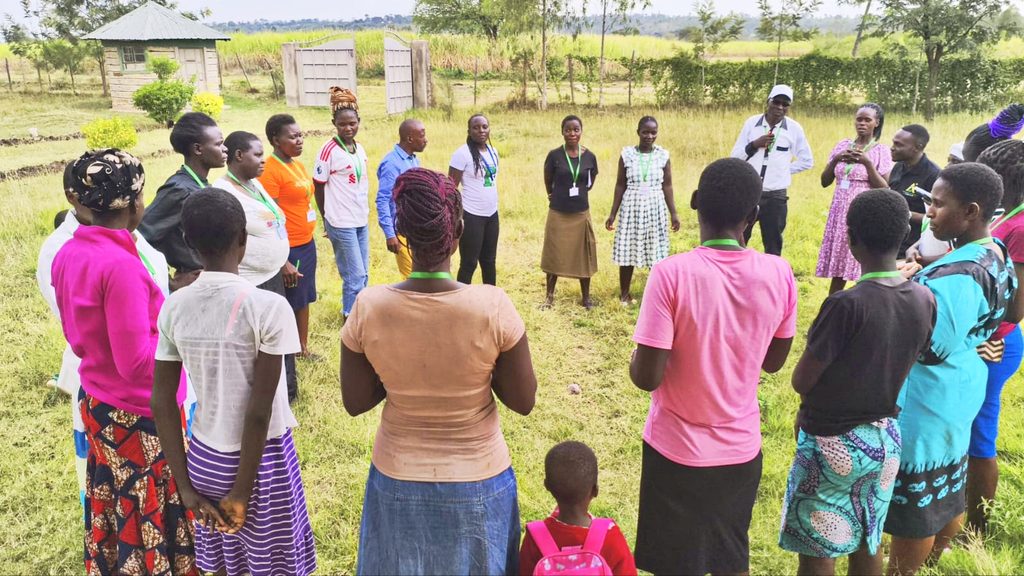
Amazing Potential Ltd (APL Kenya), in partnership with MaryHill Centre, facilitated a three-day Community Empowerment Training in Awasi, Kisumu County, from 21 to 23 July 2026.
The training marked the second consecutive year of collaboration between APL Kenya and MaryHill Centre, building on the previous year’s training, which saw participants successfully start businesses. This year’s program placed greater emphasis on moving from dependence on assistance towards self-reliance, informed financial decisions and practical entrepreneurial action.
Moving from limitation to possibility
The first day focused on breaking limiting beliefs and strengthening self-leadership.
Participants explored limiting beliefs, personal responsibility, growth mindset, taking initiative and overcoming the fear of failure.
The aim was not simply to introduce new ideas, but to encourage participants to examine beliefs that may have affected their personal and economic progress.
According to the training report, participants identified personal beliefs that had limited their progress, demonstrated greater confidence in their ability to change their circumstances and committed to taking greater ownership of their futures.
Building stronger financial habits
Day Two focused on financial literacy.
Participants explored budgeting, needs versus wants, personal and group saving, loans, responsible borrowing and financial discipline.
The discussions encouraged participants to think more deliberately about how they manage money, particularly the importance of planning before spending and making responsible borrowing decisions.
The training report notes that participants expressed greater appreciation for consistent saving, improved their understanding of responsible borrowing and showed interest in strengthening community savings groups.
Turning ideas into businesses
The final day focused on the 6 Ps of Business: Plan, Product, Price, Process, Promotion and Paperwork.
The practical framework helped participants explore the foundations of sustainable businesses and develop ideas that could potentially become income-generating activities.
By the end of the session, participants had developed practical business ideas, gained a stronger understanding of sustainable business foundations and left with action steps towards starting or improving income-generating activities.
Learning through participation
Throughout the three days, APL Kenya used a highly participatory facilitation approach. The training combined interactive presentations, guided discussions, individual reflection, small-group activities, practical demonstrations, question-and-answer sessions, experience sharing and action planning.
This approach allowed participants to connect the concepts being discussed to their own experiences and circumstances.
The report records strong engagement throughout the training, with participants actively contributing to discussions, group work and reflection exercises.
What changed?
Across the three days, the training recorded several outcomes, including increased confidence and self-belief, improved financial literacy, a better understanding of responsible borrowing, greater appreciation for group savings, practical understanding of the 6 Ps of Business and increased willingness to start or strengthen businesses.
The report also records that 80% of participants expressed a commitment to start or improve income-generating activities immediately after the training. It further notes that 90% of participants were very open to sharing personal life stories and why the training resonated with them.
Perhaps most importantly, the training created space for participants to connect learning with their own lives.
One participant reflected:
“I have learnt exactly how to run a business and with this knowledge, I will soon employ others in this community.”
Another participant shared that although they had never tried a business before, the training had encouraged them to start one with the intention of improving their family and community.
Continuing the journey
The training also highlighted that empowerment does not end when the workshop ends.
The report recommends continued mentorship, quarterly follow-up visits, strengthening community savings groups, advanced entrepreneurship and business coaching, and continued collaboration between MaryHill Centre and APL Kenya to reinforce learning and measure longer-term impact.
For APL Kenya, this reflects an important principle: training is a starting point for building human capacity, not the end of the journey.
By bringing together mindset transformation, financial literacy and entrepreneurship, the Awasi training created a foundation for participants to make more informed decisions, pursue opportunities and take greater responsibility for their economic futures.
The training report concludes that the three-day program provided participants with practical knowledge, renewed confidence and actionable skills aimed at improving livelihoods and laying a foundation for sustainable economic empowerment in Awasi.
- Meet Wigan Kemp: The Dandora Artist Championing Men’s Mental Wellness Through Music and Mentorship
- WECYPWD Works to Bring Disability Therapy Closer to Families in Soweto
- SIYB Game Brings Practical Business Learning to 50 Participants in Mukuru
- Embakasi West PWD Centre Brings Therapy, Support and Empowerment Closer to Persons with Disabilities
- “You are the first line of defense against suicide” Experts urge